
Your Complete Roadmap to Buying Used Cars in Vancouver Canada

Buying a used car in Vancouver, Canada can be one of the smartest financial decisions you make—if you approach it strategically. Vancouver’s high demand, diverse inventory, and coastal climate mean buyers need to be extra careful when researching, inspecting, and purchasing a vehicle.
This guide walks you step by step through the entire used-car buying process in British Columbia, whether you’re purchasing from a dealership or a private seller. Along the way, we’ve added helpful internal and external resources so you can take action with confidence.
1. Decide What You Need: Budget & Purpose
Before browsing listings, start with clarity about your driving needs and total budget.
Identify Your Driving Needs
Ask yourself how you’ll use the vehicle:
- Daily commuting – fuel efficiency and reliability matter
- Family use – safety ratings, space, child-seat compatibility
- Outdoor or weekend trips – AWD, cargo capacity, towing
- Ride-share or commercial use – low operating and maintenance costs
Create a short must-have list:
- Safety features (backup camera, blind-spot monitoring)
- All-wheel drive for rainy Vancouver conditions
- Fuel type (gas, hybrid, or electric)
- Cargo space or seating requirements
If you already know the type of vehicle you want, browsing a curated used inventory can help you quickly compare real-world options.
👉 View current used car inventory
Build a Realistic Budget
Buying used comes with additional costs beyond the sticker price:
- Purchase price
- PST (12%) on private sales or GST + PST when buying from a dealer
- Insurance (ICBC rates vary by vehicle type and usage)
- Registration and plate fees
- Pre-purchase inspection
- Immediate maintenance or repairs
If you plan to finance your vehicle, it’s smart to review your financing options early so you understand monthly payments and approval criteria: 👉 Apply for vehicle financing
If you already own a vehicle, knowing its current market value can significantly improve your budget planning: 👉 Get a trade-in appraisal
Tip: Smart buyers keep a $500–$1,500 buffer for early maintenance on older vehicles.
2. Research the Vancouver Used-Car Market
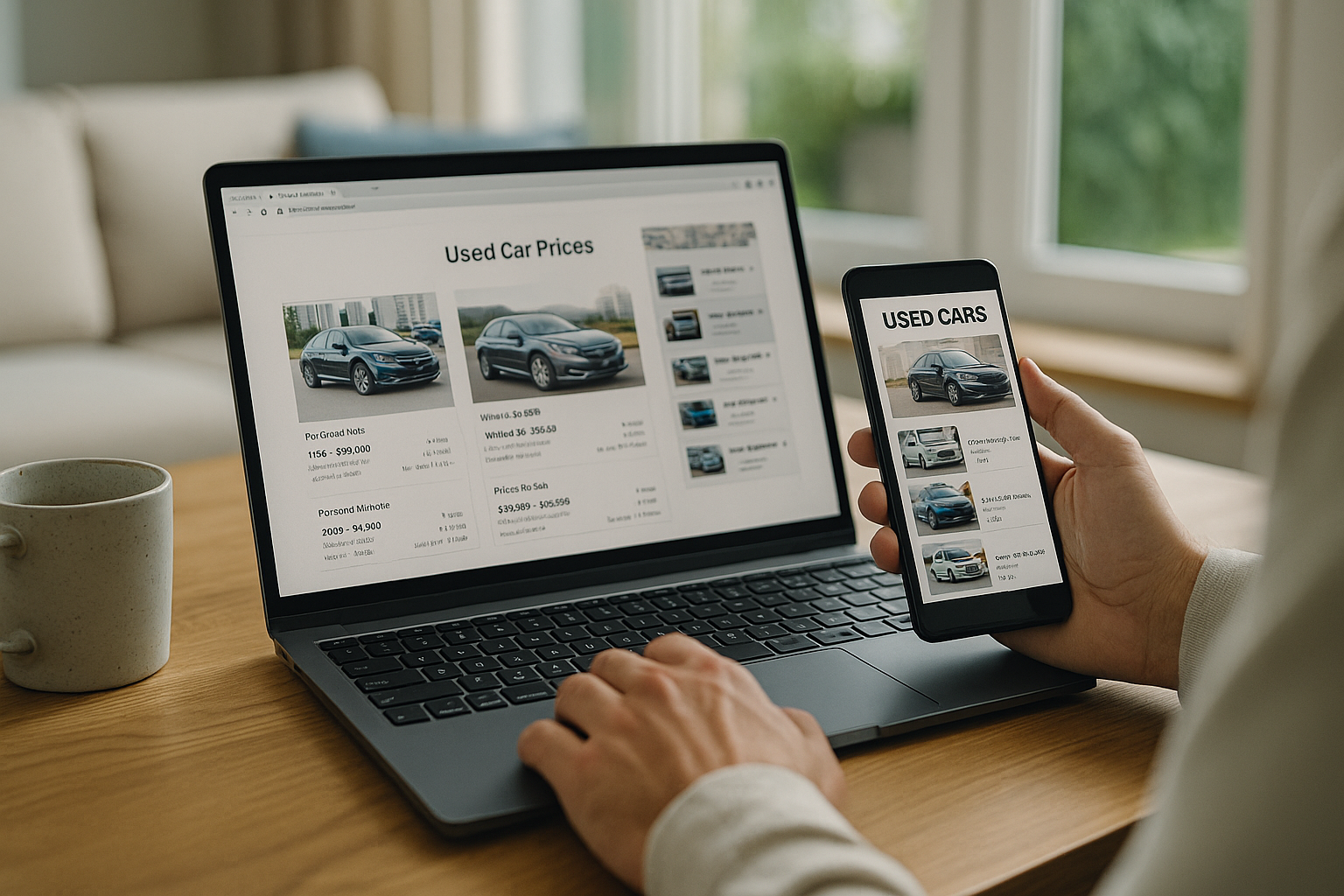
Vancouver’s used-car market is competitive, with pricing influenced by fuel efficiency, AWD demand, and overall vehicle condition.
Compare Prices by Make, Model & Mileage
Use multiple sources when researching prices:
- Local dealership websites
- AutoTrader
- Facebook Marketplace
- Craigslist Vancouver
Compare vehicles based on:
- Model year and trim
- Mileage
- Accident history
- Service records
You can also browse current used vehicles available in Vancouver to understand real asking prices and availability.
Vancouver Market Nuances
- AWD vehicles retain value due to weather conditions
- Hybrids and fuel-efficient cars are in high demand
- Vehicles from BC’s interior regions often have less rust exposure
Shortlist 3–5 vehicles that meet your needs before moving forward.
3. Vehicle History: Don’t Skip This Step
A vehicle history report can save you from buying a problematic or overpriced car.
Run a Vehicle History Report
Use trusted services to check:
- Accident and claims history
- Total loss or salvage branding
- Odometer inconsistencies
- Lien status
- Out-of-province registrations
Helpful resources:
A rebuilt title isn’t always a deal-breaker, but it can affect insurance costs and resale value.
Verify VIN & Registration
Confirm the VIN matches across:
- Dashboard
- Door frame
- Registration documents
Walk away immediately if there’s a mismatch.
Run a Lien Check
Especially for private sales, ensure no outstanding loan is attached to the vehicle. Otherwise, you could become responsible for someone else’s debt.
4. Inspect, Test Drive & Get a Mechanical Inspection
A professional inspection is one of the best investments you can make when buying used.
Exterior & Interior Inspection
Check for:
- Paint inconsistencies or overspray
- Rust (wheel wells, underbody)
- Panel gaps or alignment issues
- Uneven tire wear
- Interior odors, stains, or electrical problems
Test Drive Checklist
During the test drive, evaluate:
- Engine responsiveness
- Transmission shifting
- Steering alignment
- Brake performance
- Suspension comfort
- Electronics and climate control
Drive both city streets and highways if possible.
Pre-Purchase Mechanical Inspection
Have a licensed mechanic inspect:
- Engine and transmission health
- Brakes and suspension
- Rust and structural integrity
- Fluid leaks
- Battery condition
Organizations like BCAA offer reliable pre-purchase inspections across BC.
5. Negotiating the Price in Vancouver
Armed with inspection and history data, you can negotiate confidently.
Determine a Fair Price
Compare:
- Similar vehicles in the local market
- Mileage differences
- Condition and accident history
Use Evidence for Leverage
Examples:
- “Brakes are near replacement—estimated $400 repair.”
- “Comparable models are listed for $800 less.”
- “Previous accident reduces resale value.”
Know When to Walk Away
Refusal to allow inspections or pressure tactics are strong red flags.
6. Paperwork, Transfer & Legal Requirements in BC
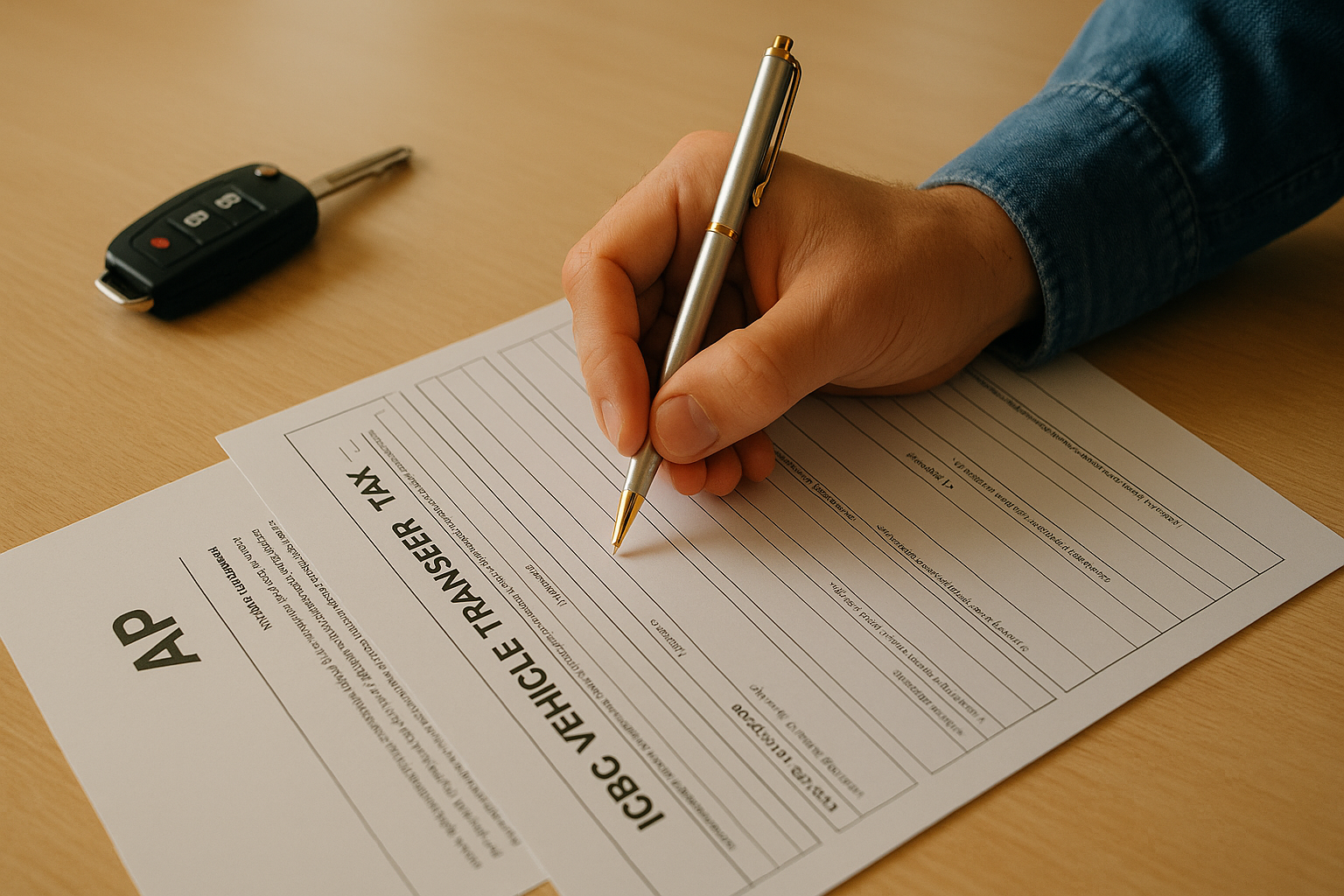
Buying from a Private Seller
You should receive:
- Original registration (APV250)
- Signed Transfer/Tax Form
- Odometer reading
- Bill of sale
You must:
- Visit an Autoplan broker
- Pay PST (12%)
- Register and insure the vehicle
Never hand over payment until paperwork is complete.
Buying from a Dealership
If you prefer a guided buying process with paperwork handled for you, you can also contact our team directly to discuss available vehicles, financing options, or next steps.
Dealerships typically handle:
- Registration and transfer
- Lien clearance
- Temporary registration
You’ll pay:
- GST (5%)
- PST (7%)
- Documentation or prep fees
Buying from a dealership often provides additional consumer protection and transparency.
7. Avoiding Scams in Vancouver’s Used-Car Market
Common Red Flags
- Odometer rollbacks
- Curbers (unlicensed sellers)
- Flood-damaged or imported vehicles
- Undisclosed major accidents
Safe Buying Tips
- Meet in public, well-lit locations
- Avoid cash-only demands
- Verify seller identity
- Never skip inspections or history checks
8. Useful Tools & Resources
- ICBC vehicle and registration resources
- CARFAX Canada
- BCAA inspections
- Certified pre-owned dealership programs
- AutoTrader, Craigslist, Facebook Marketplace
Frequently Asked Questions About Buying Used Cars in Vancouver
Is it better to buy a used car from a dealer or a private seller in Vancouver?
Both options can work. Private sales may offer lower prices, but dealerships typically provide more transparency, lien clearance, documentation support, and optional warranty coverage.
Do I need a vehicle history report when buying a used car in BC?
Yes. A vehicle history report helps uncover accidents, liens, odometer issues, and prior registrations. It’s one of the most important steps in protecting yourself as a buyer.
How much tax do I pay on a used car in British Columbia?
Private sales are subject to 12% PST, while dealership purchases include 5% GST and 7% PST.
Should I get a pre-purchase inspection?
Absolutely. A professional inspection can identify mechanical issues that aren’t obvious during a test drive and can save you thousands in unexpected repairs.
Conclusion
Buying used cars in Vancouver, Canada can save you thousands—but only if you follow a structured, informed process. By defining your needs, researching the market, checking vehicle history, completing inspections, negotiating smartly, and handling paperwork correctly, you significantly reduce risk.
Stay patient, rely on data, and avoid pressure-driven decisions. A well-researched purchase is almost always a successful one.